Indian and Chinese Troops Face Off Again in Arunachal: Here Is the Big Update from Ground
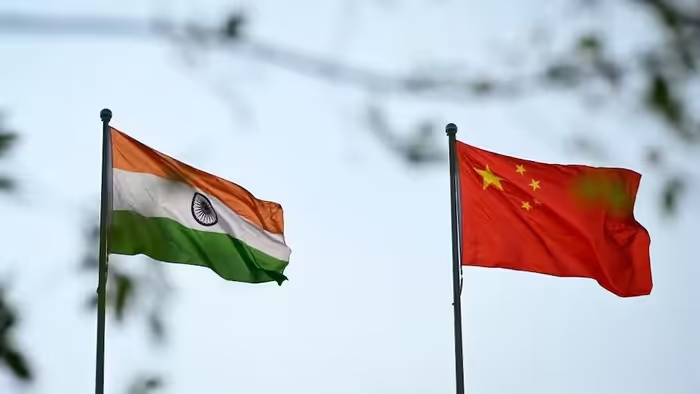
Perceived differences over the Line of Actual Control (LAC) have once again brought two highly sensitive border sectors in Arunachal Pradesh—Asaphila and Longju—into sharp focus. According to defense sources, face-off situations frequently occur between Indian and Chinese military patrols in these remote sectors under the Taksing Circle. Despite the localized frictions, official sources confirm that the overall situation on the ground remains stable, peaceful, and fully under control due to the proactive posture and extreme restraint displayed by Indian commanders.
Addressing recent developments, Director General of the Indo-Tibetan Border Police (ITBP), Shatrujeet Singh Kapoor, acknowledged that face-offs had indeed occurred in multiple locations across Arunachal Pradesh. The Ministry of External Affairs (MEA) noted that temporary spikes in border tensions typically occur whenever the Chinese People’s Liberation Army (PLA) deviates from established patrolling norms. However, no violent clashes have been reported, and both nations continue to leverage established operational protocols to defuse incidents swiftly.
To resolve localized tensions before they escalate, operational mechanisms such as Flag Meetings and Hotline Communications remain highly active. Furthermore, high-level dialogues—including a recent Corps Commander-level meeting held at the Wacha-Damai border point—mark significant institutional steps toward maintaining long-term stability along the Eastern Sector. Military experts emphasize that continuous diplomatic and military engagement is crucial for managing unresolved boundary lines.
In parallel with its defense readiness, India is accelerating comprehensive infrastructure development along these rugged border zones. Key initiatives include all-weather roads, bridges, and advanced telecommunication networks, which boost operational efficiency while enhancing the economic resilience of remote tribal communities. Beyond strategic importance, the region holds sacred cultural value due to the historic Tsari pilgrimage circuit, leaving open the potential for cross-border pilgrimage initiatives should lasting peace prevail.

- Megha
- Stop Aging Now! The Ultimate Skincare Mistake Everyone Makes With Sunscreen October 26, 2026
- Rare Planetary Alignment! Check Which Signs Are Destined for Wealth and Career Growth October 26, 2026
- Screamer or Shocking Error? Padikkal Robbed of Double Century on 199 via Controversial Call! October 26, 2026
- Are Children Safe Inside? Alarming Surge in Student Abuse Exposes Deep-Seated Crisis October 26, 2026
- Civic Polls Alliance Rumors Ignited! What Really Happened at Sudip Banerjee’s Residence? October 26, 2026