No More Prison for Minor Lapses! Deciphering the Jan Vishwas Bill 2026
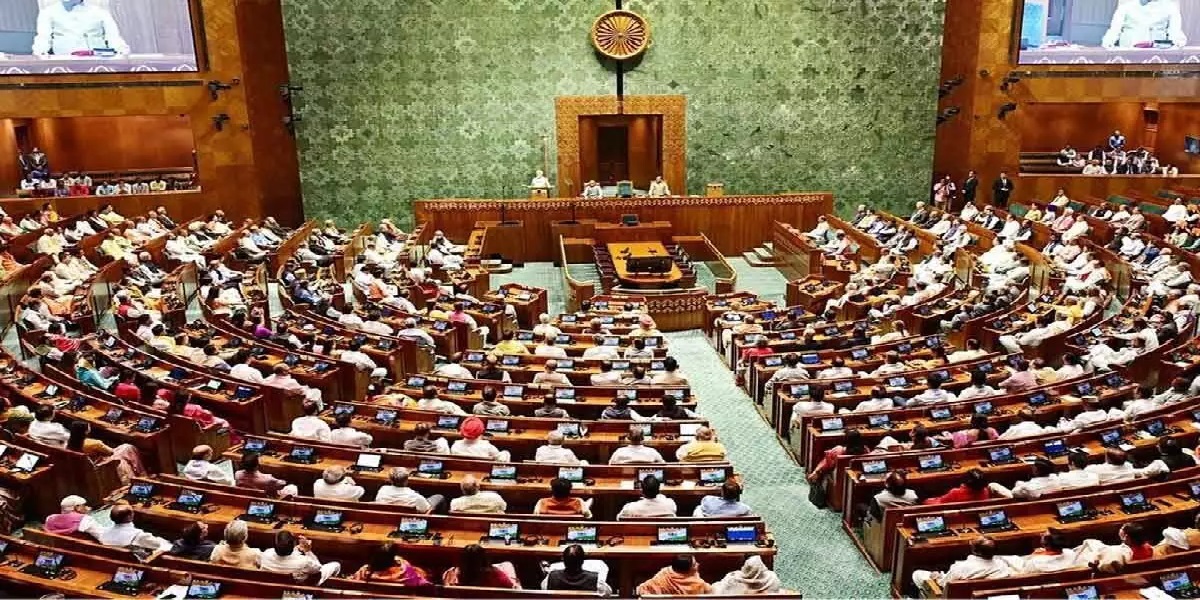
The passing of the Jan Vishwas (Amendment of Provisions) Bill, 2026 in the Lok Sabha marks a paradigm shift in India’s regulatory and legal landscape. Aimed at fostering ‘Trust-based Governance,’ the Bill seeks to decriminalize minor procedural lapses and technical violations across various sectors. By replacing imprisonment with civil penalties, the government intends to enhance the ‘Ease of Doing Business’ and ‘Ease of Living’ for millions of citizens and businesses.
Key Highlights of the Bill:
- Decriminalization Exercise: The Bill amends 784 provisions across 79 Central Acts administered by 23 Ministries. Specifically, 717 provisions have been decriminalized to promote business compliance over punishment.
- Administrative Adjudication: For the first time, the government is shifting cases from judicial courts to executive adjudication. Adjudicating Officers and Appellate Authorities will handle minor offences, significantly reducing the burden on India’s judiciary.
- Graded Penalty System: Instead of immediate criminal action, the Bill introduces measures like advisory notices and warnings for first-time offenders, allowing them a chance to rectify minor errors.
- Updated Fines: Monetary penalties have been rationalized. To ensure deterrence remains effective, the Bill mandates a 10% increase in the minimum penalty amount every three years.
Government officials, including Minister of State Jitin Prasada, emphasized that this legislation is a bold move to discard outdated colonial-era laws that used criminal liability as a tool for harassment. For sectors like pharmaceuticals, food safety, and motor vehicles, these reforms will minimize red tape and encourage investment. The Jan Vishwas Bill 2026 is not just a legal reform; it is a step toward building a modern India where citizens are trusted and administrative efficiency is prioritized over punitive litigation.

- Author
- Mother Sold Jewelry for His Shoes, Today He Crushed Rajasthan Royals: Sakib’s 4-Wicket Masterclass! April 14, 2026
- "They Aren't Men of Dialogue!" Iran’s Top Envoy Slams US Duplicity in Explosive Interview! April 14, 2026
- India’s Sky Guardian 'Sheshnaag-150', Indigenous Loitering Munition with 1000km Range April 14, 2026
- A Life of Music and Duty, Arati Mukherjee Pays a Tearful Tribute to the Versatile Asha Bhosle April 14, 2026
- National Gardening Day 2026: Transform Your Small Balcony into a Lush 'Mini Forest' April 14, 2026