Planning to Contest Elections? Read Why the Supreme Court Says It’s Not Your Basic Right!
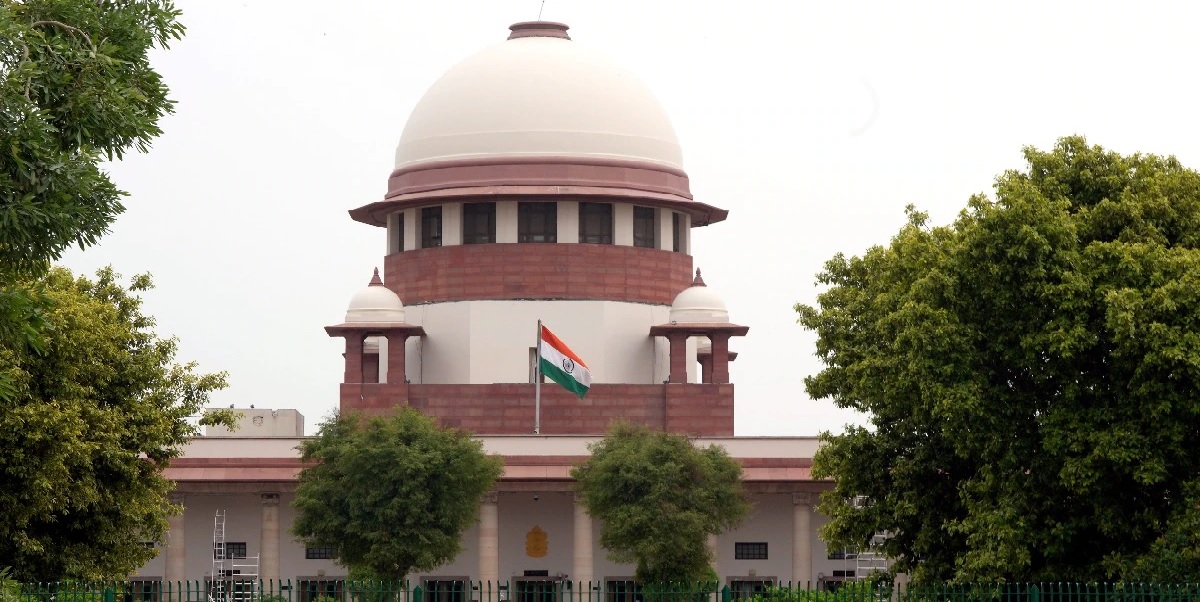
In a landmark observation that has significant implications for Indian democracy, the Supreme Court of India has reiterated that the right to vote and the right to contest elections are not ‘Fundamental Rights.’ This clarification from the apex court addresses a long-standing misconception among the public regarding the nature of democratic participation in the country.
While hearing a petition, the bench observed that the Indian Constitution does not categorize the act of voting as an inherent fundamental right, such as the freedom of speech or the right to life. Instead, the court classified it as a ‘Statutory Right’ or a legal right created by a specific statute. This means that while the Constitution provides the framework for adult suffrage under Article 326, the actual execution and regulation of these rights are governed by laws passed by Parliament, primarily the Representation of the People Act.
The court emphasized that because these are statutory rights, they are subject to limitations and conditions prescribed by the legislature. One cannot claim a fundamental right to be a candidate in an election; rather, one must fulfill the legal criteria set forth by the law. This distinction is crucial because fundamental rights enjoy a higher level of protection and judicial review under Article 32 of the Constitution. By placing the right to vote outside this bracket, the Supreme Court has clarified that the legislature holds the power to define the qualifications and disqualifications for voters and candidates alike. This ruling is expected to serve as a cornerstone for future electoral disputes and legal interpretations of democratic duties versus constitutional mandates.

- Author
- Mother Sold Jewelry for His Shoes, Today He Crushed Rajasthan Royals: Sakib’s 4-Wicket Masterclass! April 14, 2026
- "They Aren't Men of Dialogue!" Iran’s Top Envoy Slams US Duplicity in Explosive Interview! April 14, 2026
- India’s Sky Guardian 'Sheshnaag-150', Indigenous Loitering Munition with 1000km Range April 14, 2026
- A Life of Music and Duty, Arati Mukherjee Pays a Tearful Tribute to the Versatile Asha Bhosle April 14, 2026
- National Gardening Day 2026: Transform Your Small Balcony into a Lush 'Mini Forest' April 14, 2026