The 15 Conditions to Stop Iran-Israel War: Trump’s Bold Move to Reshape the Middle East
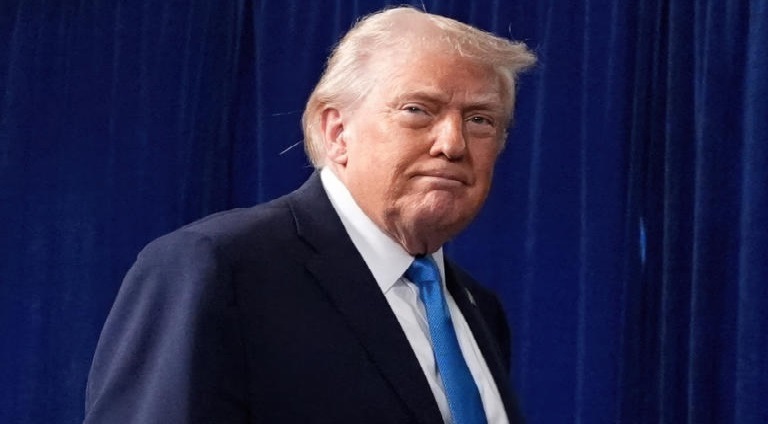
As the conflict in the Middle East reaches a critical tipping point, US President Donald Trump has unveiled a high-stakes 15-point ceasefire plan aimed at ending the war between Iran and Israel. Delivered via Pakistani intermediaries on Wednesday, March 25, 2026, the proposal outlines a framework for a month-long initial truce followed by a permanent cessation of hostilities.
Key Components of the 15-Point Plan: The Trump administration has demanded rigorous concessions from Tehran, including:
- Abandoning Proxies: Iran must immediately stop funding, directing, and arming regional groups like Hezbollah, Hamas, and the Houthis.
- Nuclear Dismantling: All existing nuclear facilities, including Natanz and Fordow, must be decommissioned, and enriched uranium stockpiles surrendered to international watchdogs.
- Strait of Hormuz: The vital waterway must be declared a “Free Maritime Zone” with unrestricted access for international shipping.
- Missile Limits: Strict caps on the range and quantity of Iran’s ballistic missile arsenal.
Tehran’s Defiant Counter-Response: While Trump maintains that Iran is “eager for a deal,” officials in Tehran have dismissed the conditions as excessive. Iran has reportedly countered with its own set of demands, which include the complete withdrawal of US military forces from the Persian Gulf, a full lifting of economic sanctions, and an end to Israeli military operations in Lebanon and Gaza. Despite these backchannel diplomatic efforts, hostilities continue on the ground, with recent strikes reported at Kuwait International Airport and missile production sites in Tehran. The world now watches whether Trump’s 15-point “Art of the Deal” can truly silence the guns in West Asia.

- Author
- TN Elections: BJP’s Tactical Masterstroke? Annamalai Out, Murugan & Tamilisai to Battle for Key Seats April 3, 2026
- Major Poll Update: Election Commission Clears 52 Lakh Pending Voters Ahead of Phase 1 April 3, 2026
- AAP Sacks Raghav Chadha! Ashok Mittal Appointed as New Deputy Leader in Rajya Sabha April 3, 2026
- History Created! Bengal Clinches Gold in Inaugural Khelo India Tribal Football Tournament April 3, 2026
- $100 Million US F-35 Fighter Jet Shot Down? Iran Claims Second Massive Kill Amid Conflict! April 3, 2026