Price of Dissent? Sensational Claims Behind Ashok Lavasa’s Resignation Over Modi-Shah ‘Clean Chit’
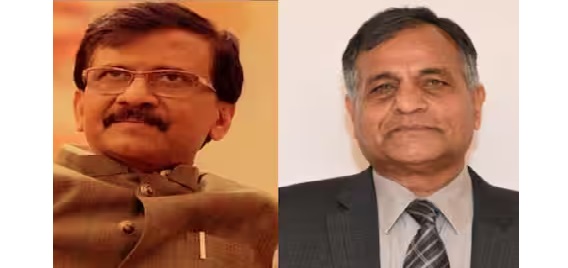
The debate over the autonomy of India’s democratic institutions has been reignited with fresh claims regarding the resignation of former Election Commissioner Ashok Lavasa. Reports suggest that Lavasa’s refusal to grant a “clean chit” to PM Narendra Modi and Amit Shah for alleged Model Code of Conduct violations during the 2019 polls triggered a wave of investigations by central agencies against his family.
The Lavasa Resignation Saga: In 2019, Ashok Lavasa stood as the lone dissenting voice against the EC’s majority decision to clear high-profile leaders of hate speech allegations. Shortly after, his family members were reportedly scrutinized by the Income Tax Department. The mounting pressure eventually led to his mid-term exit in 2020. This narrative, surfacing now in 2026, has provided the opposition with a powerful weapon to target the ruling party over the alleged “weaponization” of central agencies.
Sanjay Raut’s Literary Bombshell: Adding to the tension is Shiv Sena (UBT) leader Sanjay Raut’s upcoming book, ‘Unlikely Paradise’. Penned during his incarceration in 2025, the Marathi version is now being translated into English with additional explosive details. The book provides a firsthand account of the psychological and legal pressure faced by opposition leaders behind bars. Raut’s memoirs aim to expose the underbelly of political vendetta in contemporary India.
Political Implications: As major states head to polls in 2026, these revelations are being viewed as a coordinated effort by the ‘INDIA’ bloc to question the neutrality of the upcoming elections. With the Lavasa controversy resurfacing and Raut’s book set for global release, the narrative of “democracy in peril” is gaining momentum across the political spectrum.

- Author
- Firecrackers Under the Dhoti & Orange Deals! Which Iconic Role is Paran Bandyopadhyay Playing in 'Pagla Dashu'? March 22, 2026
- The Man Who Survived Two Nuclear Bombs! Meet Tsutomu Yamaguchi, the Legend Who Defied Death Twice March 22, 2026
- 'BJP Has Given Up in Bolpur': Confident Anubrata Mondal Claims Walkover Ahead of 2026 Polls! March 22, 2026
- Tears Flow as Rehman Daku Dies on Screen! Why Did the Entire Set Weep During 'Dhurandhar 2' Shoot? March 22, 2026
- Anushka Sharma’s Grand Comeback! Is She Joining Allu Arjun and Atlee’s Sci-Fi Spectacle? March 22, 2026