LPG Crisis? The Rise of Piped Gas: How is PNG Produced and Stored Safely?
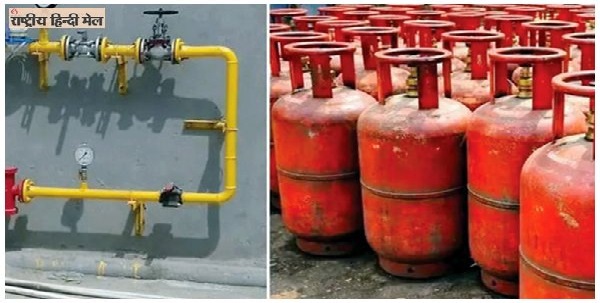
With the increasing volatility of LPG prices and supply chain bottlenecks, India is aggressively pivoting towards Piped Natural Gas (PNG). As the government expands the City Gas Distribution (CGD) network, more households are ditching heavy cylinders for a seamless, 24/7 gas supply. But have you ever wondered about the origin of this fuel and how it is stored to meet massive urban demands?
How is PNG Produced?
Piped Natural Gas is essentially Natural Gas, composed primarily of Methane ($CH_4$). It is a fossil fuel extracted from deep underground or subsea reservoirs. Unlike LPG (Liquefied Petroleum Gas), which is a byproduct of crude oil refining, PNG is found in its gaseous state. Once extracted, it undergoes rigorous processing to remove impurities like carbon dioxide, nitrogen, and hydrogen sulfide. It is then transported through a vast network of high-pressure cross-country pipelines to city gates.
Where is it Stored?
The storage of natural gas is an engineering marvel. Huge quantities are often stored in underground facilities, such as depleted gas or oil reservoirs, aquifers, and salt cavern formations. These “strategic reserves” ensure a steady supply even during production halts. For city-level distribution, the gas is stored in large terminal tanks or kept in a pressurized state within the pipeline network itself (known as ‘line pack’). From the City Gas Station, the pressure is reduced using regulators before it enters residential pipelines, making it a highly efficient and safer alternative to traditional bottled gas.

- Author
- 'Are You Planning to Kill Me Again?' Mamata’s Explosive Claim at Manbazar Rally March 29, 2026
- Mann Ki Baat: Amid Middle East Turmoil, PM Modi Assures Safety of Indians; Thanks Gulf Nations March 29, 2026
- Anubrata Returns as Birbhum's Boss! Abhishek’s 'Secret Order' Leaked by Minister Chandranath March 29, 2026
- Congress Unveils Power-Packed Candidate List for Bengal! Heavyweights to Take the Lead March 29, 2026
- Chepauk-Thiruvallikeni: The 'Bhawanipore' of the South? High-Stakes Battle Grips Chennai! March 29, 2026