Hands Off Hormuz! India Issues Strict Warning Amid West Asia Conflict
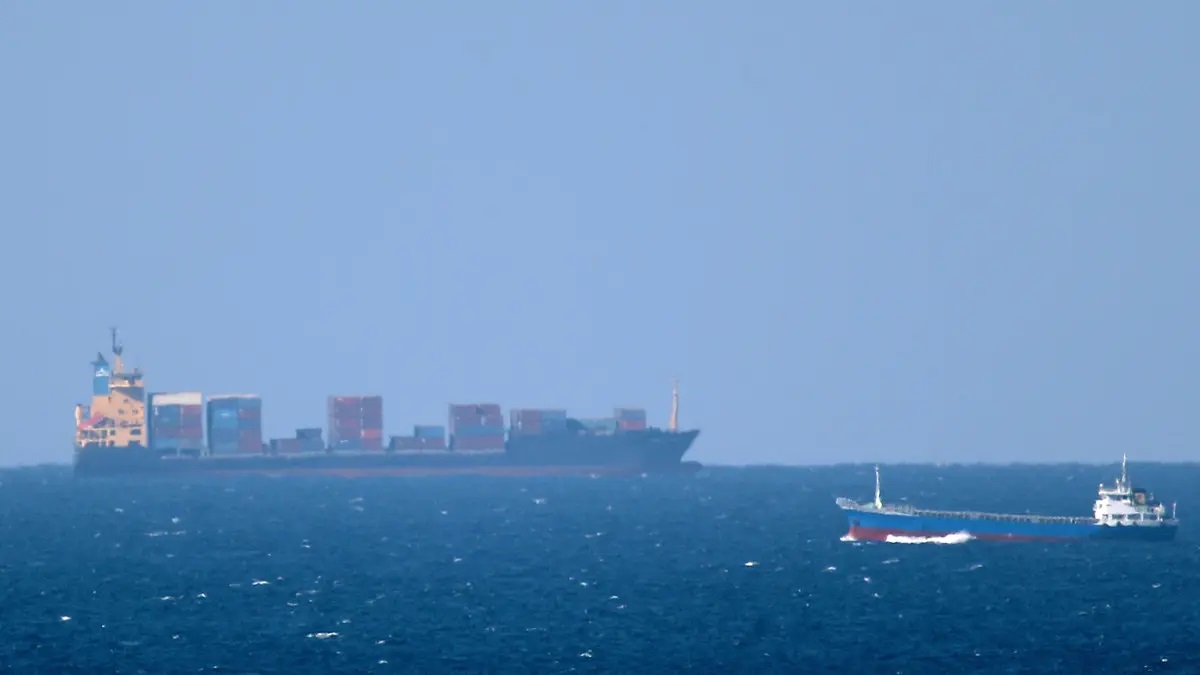
Amidst the escalating tensions in West Asia, India has delivered a stern message regarding the Strait of Hormuz, one of the world’s most critical maritime chokepoints. With the Iran-Israel conflict threatening to spill over into global shipping lanes, New Delhi has asserted that there should be no obstruction to the free movement of vessels. This proactive stance highlights India’s concern over regional stability and its impact on global trade.
The Strategic Significance of Hormuz The Strait of Hormuz is the lifeline for India’s energy security. A vast majority of India’s crude oil imports pass through this narrow waterway. Any blockade or hostile activity in this region could lead to a massive spike in global oil prices, directly hitting the Indian economy and triggering inflation. For India, keeping this route open is not just a diplomatic preference but a national necessity.
India’s Diplomatic and Naval Posture The Ministry of External Affairs has reiterated that India supports a “rules-based international maritime order.” While calling for restraint from all conflicting parties, India has made it clear that the commercial interests of neutral nations must be protected. To ensure the safety of Indian-flagged merchant vessels, the Indian Navy has increased its presence in the Arabian Sea and the Gulf of Oman, conducting surveillance and escort missions.
Navigating Global Uncertainty Following the disruptions in the Red Sea due to Houthi attacks, the threat to the Strait of Hormuz has intensified global anxieties. India is actively coordinating with international partners and regional stakeholders to de-escalate the situation. The clear message from New Delhi is that the high seas must remain a zone of peaceful commerce, regardless of geopolitical rivalries in the hinterland.

- Author
- The 'Bungalow War' in Bengal; Incoming DMs Complain of No Space; CEO Sets Strict Deadline for Transfers! March 21, 2026
- Suvendu Adhikari Storms Kalighat, BJP Candidate Kicks Off Bhawanipur Campaign with Explosive Attack on Mamata! March 21, 2026
- Eid-ul-Fitr 2026, PM Modi Extends Warm Wishes; Mamata Banerjee Sparks Political Row from Red Road! March 21, 2026
- Severe Nor'wester Alert; Orange Warning Issued for South Bengal as Heavy Rain and Hailstorms Loom! March 21, 2026
- End of an Era; West Bengal Election Commission Office Quits Century-Old Iconic Building Ahead of Polls! March 21, 2026