Green Even When Ripe! Discover the Unique Traits and History of the King of Mangoes
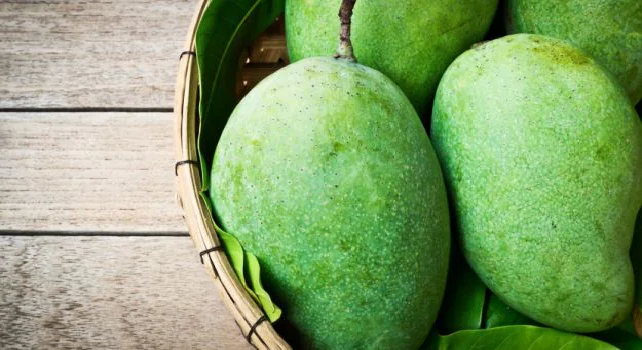
The ‘Langra’ mango is a global favorite, known for its incredible aroma and fiberless pulp. But have you ever wondered how such a delicious fruit got such an unusual name? The history of its naming dates back nearly 250 to 300 years to the ancient city of Varanasi (Benaras).
According to popular folklore, the variety originated in the 18th century in the orchard of a physically challenged (lame or ‘Langra’) hermit in Varanasi. Despite his disability, he nurtured the tree with immense care. Another legend suggests that a temple priest in Benaras, who walked with a limp, first cultivated this variety. Impressed by the unparalleled taste, the local King allegedly named the mango ‘Langra’ in honor of the priest. Today, it is also widely known as the ‘Banarasi Langra’ or ‘Malda’ mango.
What makes the Langra mango stand out is that its skin remains green even when it is fully ripe. It is exceptionally sweet, highly fragrant, and contains almost no fiber. Available typically from mid-July to August, this mango has been a symbol of prestige since the Mughal era. From being a gesture of friendship in India to a gourmet delight globally, the Langra mango continues to rule hearts with its unique history and taste.

- Author
- PM Modi Set to Visit New Zealand! A Major Breakthrough in India-NZ Free Trade Agreement Expected March 30, 2026
- Govt Announces Interest Rates for PPF, Sukanya Samriddhi & Other Small Savings for Q1 FY 2026-27 March 30, 2026
- From Siliguri’s Boy-Next-Door to Facebook’s 'Smart Dada'! The Meteoric Rise of Devraj March 30, 2026
- Storm Alert in Bengal! Hailstorm and Thunderstorms Predicted Across North & South Bengal Districts March 30, 2026
- Ditch the Crowds: Explore North Bengal’s Offbeat Paradises for Just ₹1000 a Day March 30, 2026