From Gliding Snakes to Radiant Millipedes: Meet the 11 New Species Hiding from Humanity Until Now
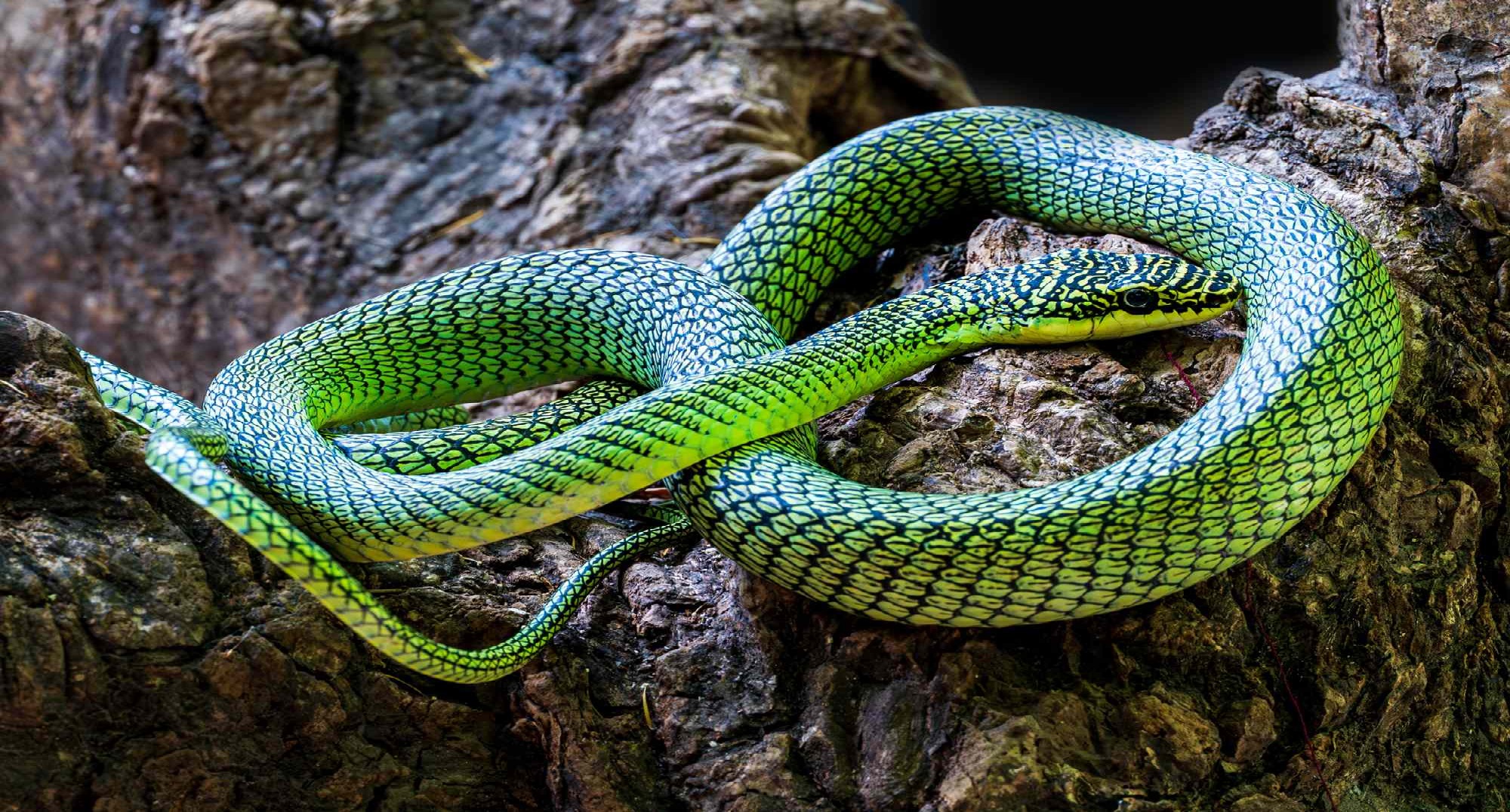
In a breakthrough that has left the global scientific community in awe, researchers have discovered 11 new animal species in the remote karst caves of Cambodia. These species, which had remained hidden from human eyes for centuries, include a rare variety of ‘flying’ snakes and strikingly colorful millipedes. The discovery was made by a team from the international conservation organization ‘Fauna & Flora,’ uncovering a secret world of biodiversity tucked away in the limestone formations of Southeast Asia.
The Secret Life in the Karst Caves: The expedition focused on isolated limestone hills and deep underground chambers that have evolved independently from the surrounding environment. Because these caves are so difficult to access, they have become evolutionary islands where unique life forms thrive. The 11 newly identified species range from delicate snails and translucent spiders to larger reptiles and invertebrates. Scientists believe that this is just the tip of the iceberg, as many more unknown species could be residing in these unexplored subterranean tunnels.
Flying Snakes and Neon Millipedes: The highlights of the discovery are undoubtedly the specialized gliding snake and the vibrant millipedes. The snake has the extraordinary ability to flatten its body and glide through the air to move between trees or rock ledges. Equally fascinating are the millipedes, which exhibit brilliant, multi-colored patterns—a rarity for cave-dwelling organisms that are usually pale or colorless. Their radiant hues serve as a stark contrast to the pitch-black environment they inhabit, posing new questions for evolutionary biologists regarding their survival and signaling methods.
Conservation in the Face of Danger: While the discovery is a cause for celebration, it also comes with a grim warning. The limestone caves of Cambodia are under severe threat from industrial quarrying for cement production. Experts warn that the destruction of these habitats could lead to the immediate extinction of these newly discovered species before we even fully understand them. ‘Fauna & Flora’ has urged the Cambodian government to designate these areas as protected zones to prevent the loss of such irreplaceable biological heritage. This discovery serves as a powerful reminder of how much of our planet remains a mystery and how critical it is to protect these fragile ecosystems.

- Author
- End of an Era! PV Sindhu’s Arch-Rival Carolina Marin Retires from Badminton at Just 32 March 27, 2026
- "Rats Ate the Drugs!" Gujarat Police’s Shocking Logic for 2,300 Kg Missing Narcotics March 27, 2026
- Nationwide Lockdown Again? Hardeep Singh Puri Crushes Rumors Amid West Asia War & Fuel Crisis Panic March 27, 2026
- "Cases & Threats Couldn't Stop Me!" Dilip Ghosh Recalls 2021 Ram Navami Crackdown in Kharagpur March 27, 2026
- Trump’s Deadly Dilemma! 15-Point Peace Offer to Iran Amid Orders for 10,000 More Troops March 27, 2026