End of Fake Voting? PIL in Supreme Court Seeks Biometric Verification at Polling Booths
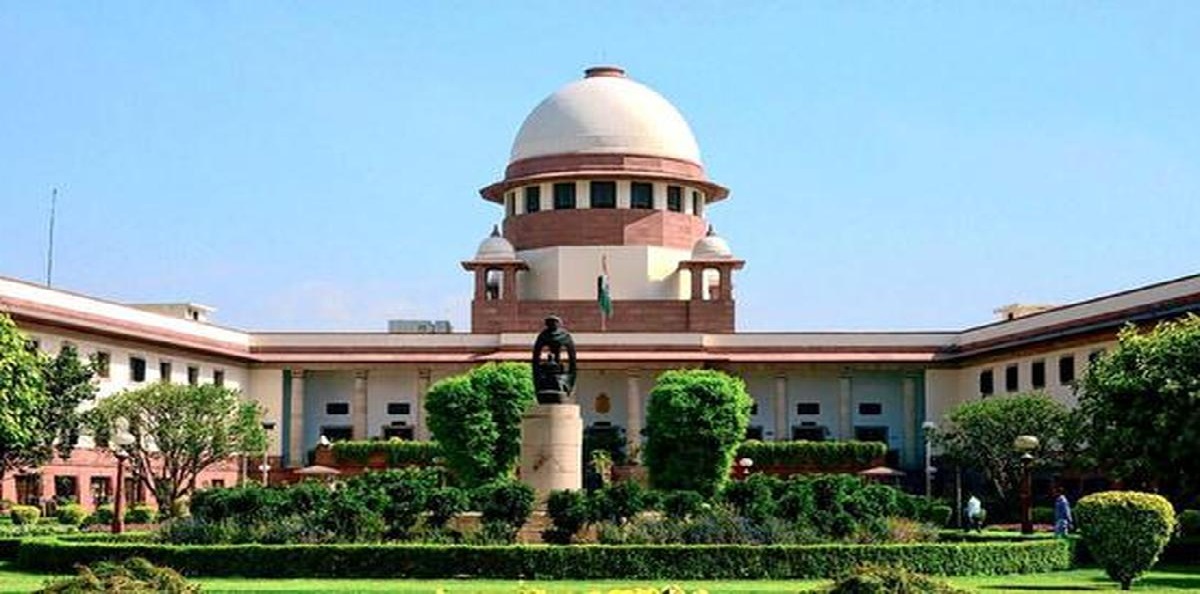
In a move that could fundamentally transform the landscape of Indian elections, a Public Interest Litigation (PIL) has been filed in the Supreme Court seeking mandatory biometric identification for voters. Filed by advocate and activist Ashwini Upadhyay, the petition urges the court to direct the Election Commission of India (ECI) to implement fingerprint and iris recognition systems at polling stations. The goal is to ensure that only genuine voters exercise their franchise and to eliminate the menace of impersonation and “ghost voting.”
The petitioner argues that while Aadhaar-based biometric authentication is successfully used for banking, telecom, and the Public Distribution System (PDS), the electoral process still relies on manual verification of voter IDs and the application of indelible ink. This traditional method, according to the plea, remains susceptible to manipulation. By introducing biometric scanners at booths, the system would instantly verify the identity of the voter against a digital database, making it impossible for anyone to cast multiple votes or vote on behalf of someone else.
The timing of this PIL is crucial as several states, including West Bengal, are gearing up for the 2026 Assembly Elections. If the Supreme Court orders the implementation of this high-tech identification system, it would mark the biggest electoral reform since the introduction of EVMs. While the proposal promises to uphold the sanctity of the “one citizen, one vote” principle, legal experts anticipate discussions regarding data privacy and the logistical challenges of deploying such technology on a massive scale. All eyes are now on the apex court’s upcoming hearing on this democratic milestone.

- Author
- Uttarakhand Gears Up for Record Pilgrims; Can the Govt Meet the Huge Fuel Demand? March 30, 2026
- Kerosene to the Rescue! Center Eases Rules for Fuel Distribution Amid Global Uncertainty March 30, 2026
- BJP Moves Election Commission Against Mamata! Demands FIR Over ‘Provocative Speeches.’ March 30, 2026
- Shocking Post-Mortem Findings! Sand and Saltwater Found in Actor Rahul’s Lungs March 30, 2026
- Daughter-in-Law Not Legally Bound to Maintain In-Laws: Landmark Ruling by Allahabad HC March 30, 2026