Fighting for Every Breath! The Deadly Reality of ICU Shortages in Bangladesh Revealed
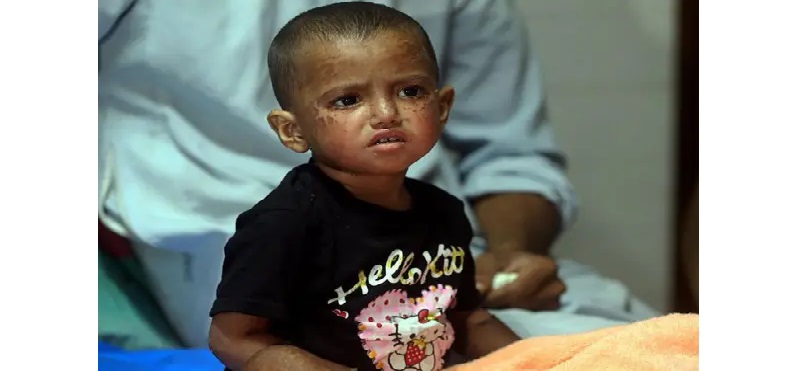
In a country of over 170 million people, the fight for a single ICU bed has become a battle between life and death. Despite advancements in medical technology, Bangladesh’s Intensive Care Unit (ICU) and ventilation facilities remain alarmingly inadequate, leaving thousands of families in a state of perpetual despair.
The Public Sector Crisis The disparity between demand and supply in government hospitals is staggering. At premier institutions like Dhaka Medical College Hospital, the waiting list for an ICU bed often exceeds the actual capacity by fivefold. For a common citizen, securing a government ventilator is often a matter of luck rather than a right. Many patients lose their lives in general wards while waiting for a spot in the ICU.
Private Hospitals: The Cost of a Life While private hospitals offer state-of-the-art ICU facilities, they come at a price that most Bangladeshis cannot afford. Daily charges can range from BDT 40,000 to over BDT 100,000, excluding medicine and specialized tests. This “medical bankruptcy” has forced countless families to sell their ancestral lands and assets just to keep a loved one on life support for a few extra days.
Rural-Urban Divide The crisis is even more pronounced outside the capital. While some district hospitals have been equipped with ventilators post-pandemic, many units lie dormant due to a chronic shortage of trained intensivists and specialized nursing staff. Consequently, critically ill patients from rural areas are forced to rush to Dhaka, often dying in ambulances due to the lack of portable ventilation support during transit.
The Road Ahead The Ministry of Health has recently pledged to establish functional ICU units in every district hospital. Efforts are underway to recruit more critical care specialists and provide advanced training to healthcare workers. However, health experts argue that without a centralized ICU monitoring system and subsidized costs, the dream of affordable emergency care will remain elusive. The current situation is a wake-up call for a total overhaul of the country’s critical care infrastructure.

- Author
- Kolkata Derby Postponed! New Date Announced for East Bengal vs Mohun Bagan Clash Due to Polls April 2, 2026
- 'Amit Shah Crafting Blueprint for Conspiracy'! Mamata Banerjee Fires Fresh Salvo in Murshidabad April 2, 2026
- Massive 7.4 Magnitude Earthquake Rocks Indonesia! Tsunami Warning Issued as Buildings Collapse April 2, 2026
- Redemption at Eden! KKR Eyes First Win Against SRH After Narrow Loss to Mumbai April 2, 2026
- Battleground Bhowanipore! Black Flags and Violent Clashes Erupt as Amit Shah Hits the Streets April 2, 2026