Why is it Called ‘Langra’? The Fascinating History Behind the Name of This Beloved Mango
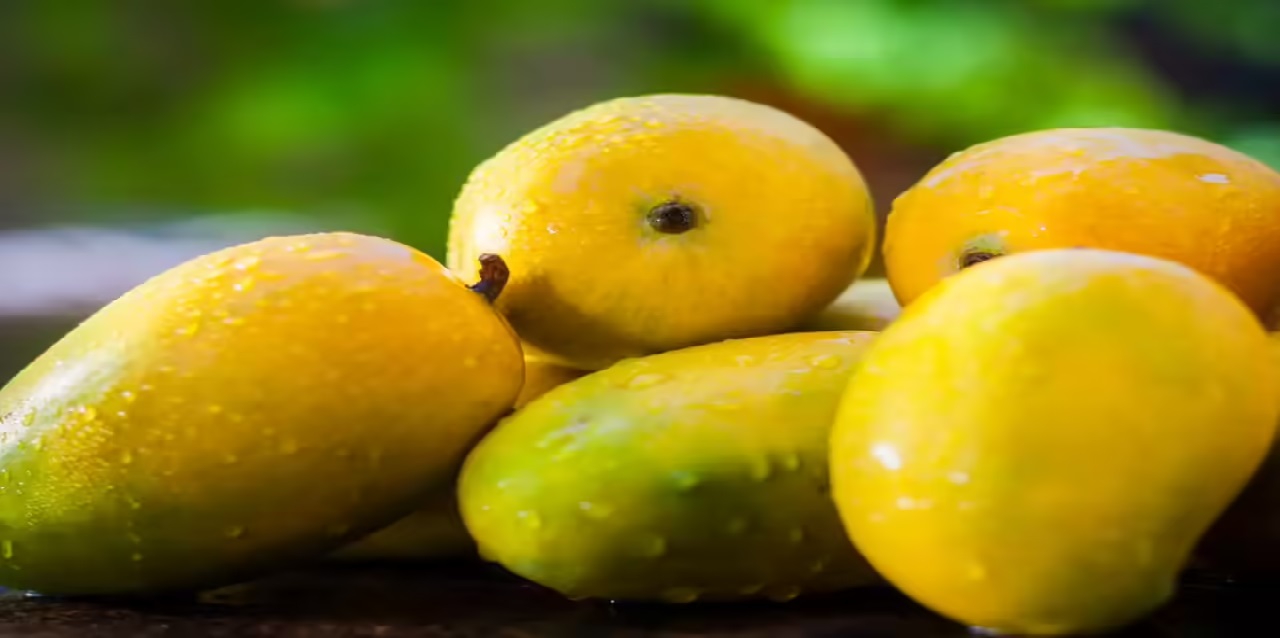
Among the vast variety of mangoes in India, the ‘Langra’ occupies a special place for its unique aroma and melt-in-the-mouth texture. But the origin of its name is as intriguing as its taste. The history of the Langra mango dates back nearly 300 years to the holy city of Varanasi (Banaras).
According to local legends, a hermit or a sadhu lived in a Shiva temple in Varanasi. This hermit was physically challenged and had a limp in his leg (known as ‘Langra’ in Hindi/Bengali). He planted a mango sapling in the temple courtyard. When the tree bore fruit, the mangoes turned out to be exceptionally sweet, thin-skinned, and fibreless. As word spread, people began calling the fruit ‘Langra Aam’ (the lame man’s mango) after the hermit who cultivated it.
Fast Facts About Langra Mango:
- Distinct Appearance: Unlike other mangoes that turn yellow when ripe, the Langra retains a greenish tint even when fully matured. The flesh inside is vibrant saffron-yellow.
- Fibre-free Texture: It is world-renowned for being nearly fibreless, making it perfect for desserts and direct consumption.
- GI Status: The Banarasi Langra has been awarded the GI (Geographical Indication) tag, recognizing its unique origin and quality.
- Health Benefits: It is a rich source of Vitamin A, C, and potassium, which help boost immunity and aid digestion.

- Author
- PM Modi Set to Visit New Zealand! A Major Breakthrough in India-NZ Free Trade Agreement Expected March 30, 2026
- Govt Announces Interest Rates for PPF, Sukanya Samriddhi & Other Small Savings for Q1 FY 2026-27 March 30, 2026
- From Siliguri’s Boy-Next-Door to Facebook’s 'Smart Dada'! The Meteoric Rise of Devraj March 30, 2026
- Storm Alert in Bengal! Hailstorm and Thunderstorms Predicted Across North & South Bengal Districts March 30, 2026
- Ditch the Crowds: Explore North Bengal’s Offbeat Paradises for Just ₹1000 a Day March 30, 2026