Huge Relief For Lakhs Of WB Employees! Nabanna Issues SOP For Pending DA Arrears
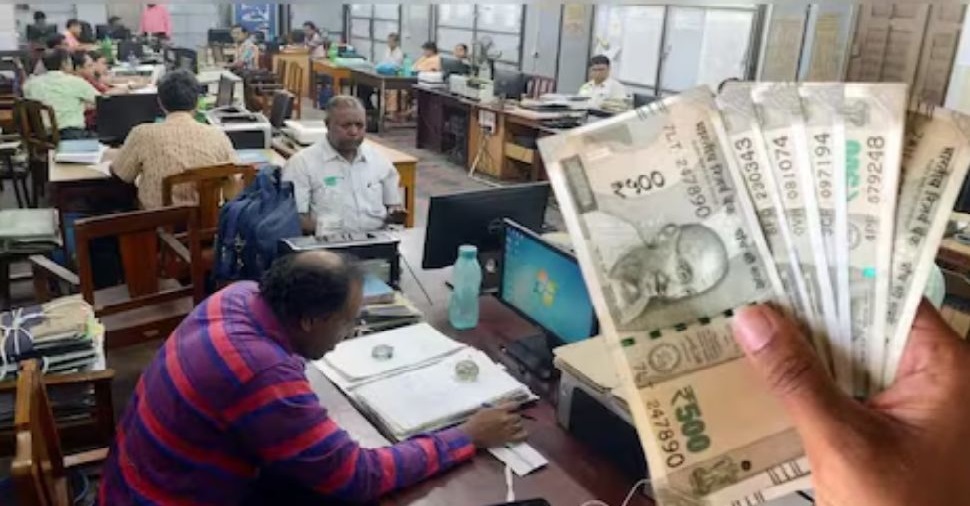
In a landmark move following the Supreme Court’s directive, the West Bengal government has officially initiated the process to clear long-pending Dearness Allowance (DA) arrears. The Finance Department at Nabanna has issued a comprehensive Standard Operating Procedure (SOP) outlining the roadmap for disbursing dues accumulated between January 2016 and December 2019. According to the fresh notification (Memo No. 996-F/P2), the first installment of these arrears will be credited to employees’ accounts by March 31, 2026.
As per the state’s plan, the arrears will be released in two equal installments—the first in March and the second in September 2026. However, there are specific modalities for different employee categories. For Group A, B, and C employees, the amount will be credited directly to their General Provident Fund (GPF) accounts, with a lock-in period of 24 months. In contrast, Group D employees and retirees will receive their dues in cash directly into their registered bank accounts.
How to get the payment? The process has been made automated to ensure transparency. Drawing and Disbursing Officers (DDOs) have been instructed to generate arrear bills through the HRMS-WBiFMS portal. For serving employees, no separate application is required as the system will calculate the AICPI-based arrears automatically. For pensioners or former employees who resigned during the qualifying period, the Pension Sanctioning Authority (PSA) will verify service records before initiating the transfer.
This move comes after a decade-long legal battle in the Supreme Court, which recently termed DA as a “legally enforceable right.” With the 2026 Assembly elections on the horizon, the Mamata Banerjee government’s decision to follow the court’s timeline is seen as a significant outreach to the disgruntled state workforce. The SOP clarifies that the current payout is linked to ROPA 2009 structures and aims to provide immediate financial relief to nearly 20 lakh beneficiaries.

- Author
- Mother Sold Jewelry for His Shoes, Today He Crushed Rajasthan Royals: Sakib’s 4-Wicket Masterclass! April 14, 2026
- "They Aren't Men of Dialogue!" Iran’s Top Envoy Slams US Duplicity in Explosive Interview! April 14, 2026
- India’s Sky Guardian 'Sheshnaag-150', Indigenous Loitering Munition with 1000km Range April 14, 2026
- A Life of Music and Duty, Arati Mukherjee Pays a Tearful Tribute to the Versatile Asha Bhosle April 14, 2026
- National Gardening Day 2026: Transform Your Small Balcony into a Lush 'Mini Forest' April 14, 2026