Is Keeping a Shivling at Home Auspicious? Important Shastra Rules Every Devotee Must Follow
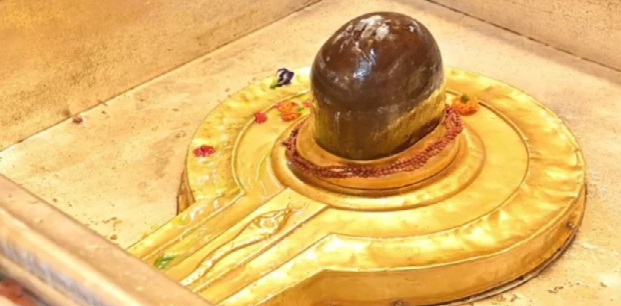
In Sanatan Dharma, the worship of the Shivling, a symbol of Lord Shiva, holds profound spiritual significance. While grand temples are the traditional sites for Shiva’s ‘Abhishek,’ many devotees bring the Shivling into their homes out of devotion. However, the scriptures prescribe specific rules for domestic installation. Prof. Pandit Subhash Pandey from the Department of Astrology at BHU, Varanasi, explains the theological and Vastu perspectives on this practice.
Choosing the Right Shivling for Home: According to Pandit Pandey, there are two methods of consecration: ‘Pran Pratishtha’ (for temples) and ‘Chal Pratishtha’ (for homes). For household worship, only the Narmadeshwar Shivling is recommended. The Shastras suggest that the Shivling kept at home should be small, preferably no larger than the size of a human thumb. Daily water offerings and regular ‘Naivedya’ are essential once the Shivling is placed at home via Chal Pratishtha.
Vastu Concerns and Temple Proximity: A common mistake among devotees in religious cities like Kashi or Haridwar is building temples right in front of their residential homes. Both Shastra and Vastu discourage this. There must be a specific distance between a sanctified temple and a dwelling. Vastu Shastra even warns that the shadow of a temple’s peak (Shikhara) should never fall upon a house, as it can lead to negative energy and Vastu defects. Maintaining the sanctity and purity of the space is paramount when dealing with consecrated deities. Following these guidelines ensures that your devotion brings peace and prosperity rather than unintended negative impacts.

- Author
- Storm in Parliament! Opposition Moves No-Confidence Motion Against Speaker Om Birla Over Budget Row February 10, 2026
- Government Cracks Down on Deepfakes: Social Media Must Remove Illegal AI Content Within 3 Hours! February 10, 2026
- Wednesday Rituals: 5 Guaranteed Solutions to Clear Workplace Obstacles and Boost Your Career! February 10, 2026
- The Catch of the Decade! Chapman and Mitchell’s Mid-Air Juggle Stuns the World in T20 WC 2026 February 10, 2026
- 4 Overs, 4 Maidens, 3 Wickets! Lockie Ferguson’s 'Unbreakable' World Record in T20 WC February 10, 2026