“What Will Relatives Say?”—How Toxic Expectations are Killing Childhood in Indian Homes!
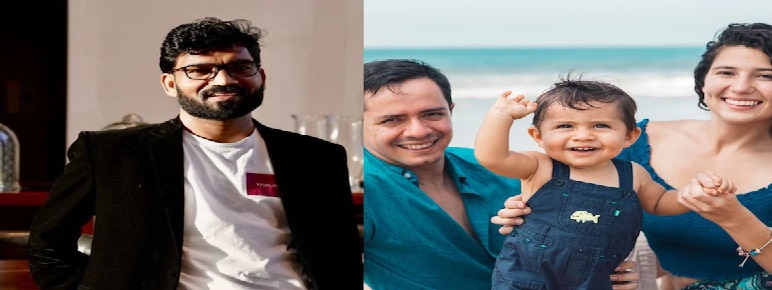
Sometimes, a single observation about home life can trigger a nationwide storm. A recent social media post by a Gurgaon-based CEO has done exactly that. The subject is parenting, but the tone is revealing. It forces us to ask: are Indian children being raised with love, or are they merely being groomed as carriers of their parents’ unfulfilled burdens?
The ‘Pressure-Cooker’ Model of Parenting Jasveer Singh, the founder and CEO of the Gurgaon-based startup ‘Not Dating’, has ignited a massive conversation on X (formerly Twitter). He described Indian parenting as “Pressure-Cooker Parenting,” labeling it one of the worst models in the world. According to Singh, most parents in India view their children not as human beings with individual agency, but as “projects.” Decisions regarding education, career paths, and even life partners are often set in stone long before the child can even speak. In this rigid framework, the child’s mental health, curiosity, and personal interests are systematically ignored.
Failure as a Social Crime The CEO’s critique highlights a painful truth about Indian society—the weaponization of failure. In most Indian households, a child’s failure is not seen as a learning curve but as a source of “shame.” Parents are often more terrified of the dreaded question—”What will the neighbors say?”—than they are concerned about their child’s emotional well-being. This climate of fear turns children into silent, anxious high-achievers who are afraid to take risks.
Since the post went viral, millions of users have echoed Singh’s sentiments, sharing their own struggles with parental expectations. This isn’t just a critique; it is a mirror reflecting a deep-seated cultural crisis. The viral post serves as a wake-up call for modern parents: is it time to stop treating children as investment portfolios and start seeing them as individuals? The debate continues to rage, questioning the very foundation of the “Indian family values” we often pride ourselves on.

- Author
- BCCI Contracts: Rohit & Virat Retain Top Spots, Mohammed Shami Dropped! February 10, 2026
- Now Ranveer Singh Receives Death Threat! Crores Demanded in Ransom; Security Beefed Up February 10, 2026
- Stock Market Rally: Sensex Hits New Peak, Nifty Nears 26,000 as Global Cues Spark Optimism! February 10, 2026
- Breaking Silence on 'Agnipath' Controversy! Ex-Army Chief MM Naravane Speaks Out on His Memoir February 10, 2026
- Can a Baby Be Born in Space? Scientists Issue Stern Warning Over 'Space Reproduction' February 10, 2026