‘No Parallel Election Authority Allowed’: SC Clips Wings of Micro-Observers Amid SIR Row in Bengal
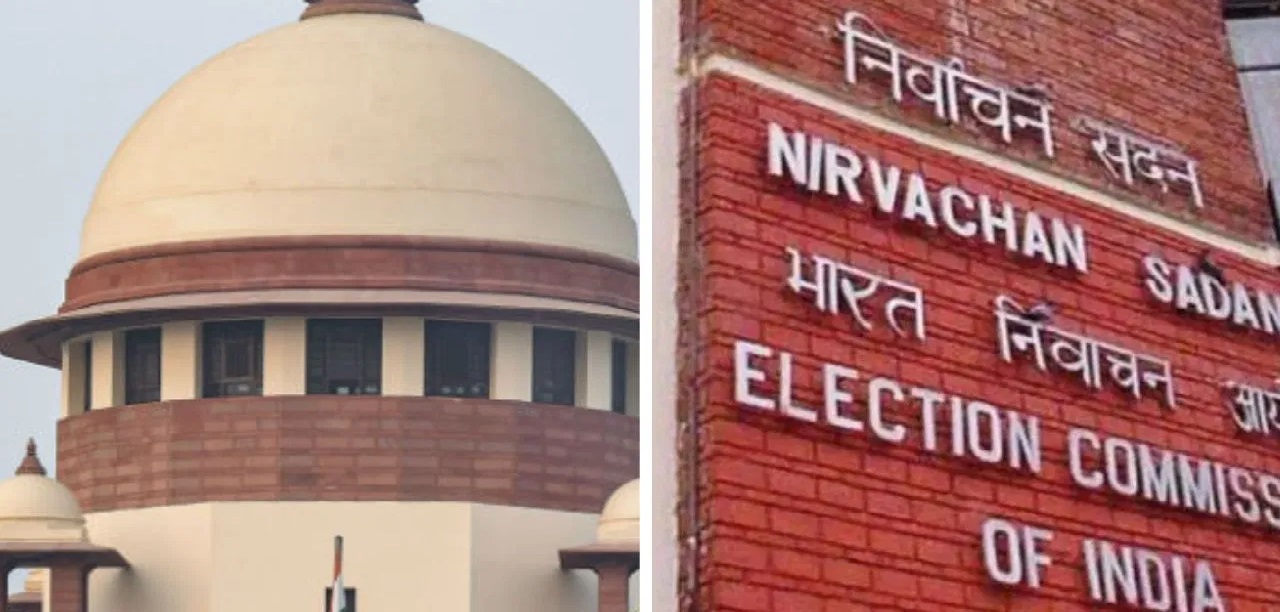
In a significant ruling aimed at upholding constitutional propriety, the Supreme Court of India on Monday expressed strong displeasure over the “excessive powers” being exercised by Micro-Observers during the Special Intensive Revision (SIR) of electoral rolls in West Bengal. A Bench led by Chief Justice Surya Kant observed that no “Extra Election Authority” can be allowed to function outside the established legal framework.
During a marathon 90-minute hearing, the apex court addressed allegations that Micro-Observers were overriding the decisions of Electoral Registration Officers (EROs). “The Micro-Observers are there to assist, not to act as a Super-Authority,” the Chief Justice remarked. The court passed a mandatory directive stating that the final decision regarding the inclusion or deletion of names in the voter list rests solely with the EROs.
Key Highlights of the Order:
- Role Clarification: Micro-Observers are strictly prohibited from issuing orders or influencing the final scrutiny; their role is limited to observation and reporting.
- ERO Autonomy: The court re-established that EROs are the primary legal authorities for electoral roll management as per the Representation of the People Act.
- Check on Bias: The ruling ensures that the modification process remains transparent and free from any external administrative pressure.
This judgment is seen as a major intervention by the Supreme Court to safeguard the neutral role of local election officials. By restraining the “over-reach” of Micro-Observers, the court has sent a stern message to the Election Commission to ensure that administrative protocols are strictly followed ahead of the crucial upcoming polls.

- Author
- Storm in Parliament! Opposition Moves No-Confidence Motion Against Speaker Om Birla Over Budget Row February 10, 2026
- Government Cracks Down on Deepfakes: Social Media Must Remove Illegal AI Content Within 3 Hours! February 10, 2026
- Wednesday Rituals: 5 Guaranteed Solutions to Clear Workplace Obstacles and Boost Your Career! February 10, 2026
- The Catch of the Decade! Chapman and Mitchell’s Mid-Air Juggle Stuns the World in T20 WC 2026 February 10, 2026
- 4 Overs, 4 Maidens, 3 Wickets! Lockie Ferguson’s 'Unbreakable' World Record in T20 WC February 10, 2026