₹60 Tax on ₹40 Petrol? The Shocking Math Behind Fuel Prices Revealed!
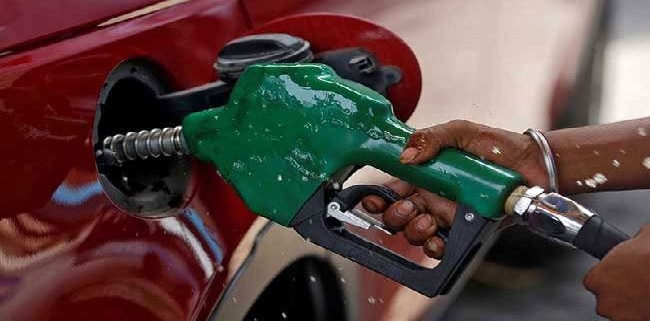
Fuel prices in India have been a constant point of debate for the common man. Every time you fill your tank, a significant portion of your hard-earned money goes directly into the government’s treasury rather than for the fuel itself. But have you ever wondered about the actual breakdown? How much of that ₹100+ per litre is the cost of petrol, and how much is just tax?
The journey of petrol from international oil fields to your vehicle’s engine involves multiple layers of taxation. When crude oil is imported and refined, its “Base Price” is surprisingly low—often hovering between ₹35 to ₹45 per litre, depending on global market rates. However, by the time it reaches the consumer, the price nearly triples.
The massive hike is primarily due to two major taxes: the Central Government’s Excise Duty and the State Government’s Value Added Tax (VAT). Additionally, there are freight charges and dealer commissions that add to the final bill. Statistics show that in many states, taxes account for nearly 50% to 60% of the retail price of petrol. This means if the government were to remove all taxes today, you could buy petrol for less than half of its current market price.
Despite the growing demand to bring petroleum products under the Goods and Services Tax (GST) regime, both Central and State governments have been hesitant. The reason is simple: fuel is one of the biggest revenue generators for the exchequer. These funds are utilized for infrastructure development, social welfare schemes, and national security. While the government justifies these taxes as a necessity for nation-building, for the average middle-class commuter, the “tax on mobility” remains a heavy burden to bear.

- Author
- Kolkata Derby Postponed! New Date Announced for East Bengal vs Mohun Bagan Clash Due to Polls April 2, 2026
- 'Amit Shah Crafting Blueprint for Conspiracy'! Mamata Banerjee Fires Fresh Salvo in Murshidabad April 2, 2026
- Massive 7.4 Magnitude Earthquake Rocks Indonesia! Tsunami Warning Issued as Buildings Collapse April 2, 2026
- Redemption at Eden! KKR Eyes First Win Against SRH After Narrow Loss to Mumbai April 2, 2026
- Battleground Bhowanipore! Black Flags and Violent Clashes Erupt as Amit Shah Hits the Streets April 2, 2026